
“`html
Hacking People, Not Systems: How Digital Reputation Became a National Security Game Changer
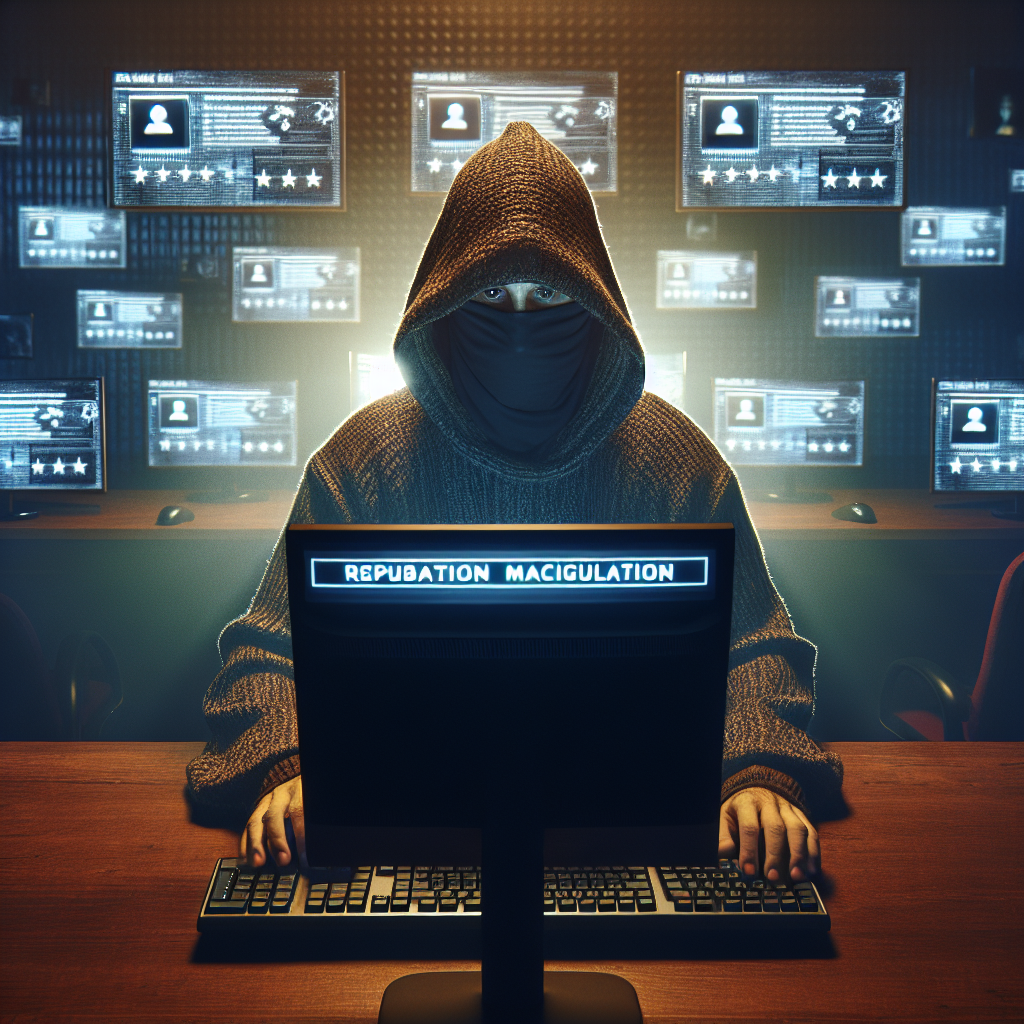
What if the real threat to a nation isn’t malware, but a rumor? Imagine waking up to find your favorite public figure’s reputation in tatters—not because of a leak, but due to a meticulously crafted character assassination campaign online. Welcome to the new battleground, where digital reputation isn’t just personal—it’s critical national infrastructure.
Understanding the Digital Reputation Economy
When most people think of cybersecurity, firewalls and encrypted servers spring to mind. But, as global events have shown, manipulating people and their digital identities is often far more effective than hacking the backend.
In the age of viral misinformation and deepfakes, information spreads faster than ever, affecting not just individuals but whole governments and economies. Digital reputation has morphed from a private concern into a pillar of national security. Nation-states and bad actors are targeting individuals—celebs, policymakers, influencers—to sway public opinion, foment unrest, or even alter election outcomes.
Why Target People? The Anatomy of a Social Hack
As Dr. Lena Schulz, cyberpsychology expert, paraphrased in a recent summit: “People are the new endpoints—if you influence them, you alter entire systems.” This shift in focus from system hacking to social engineering means:
- Disinformation campaigns: Mass shares of falsehoods damage credibility, confuse the public, and muddy facts.
- Reputation hijacking: Clones and compromised profiles spread misinformation in the victim’s name, eroding trust.
- Societal polarization: Calculated attacks intensify divisions, making societies less stable and more vulnerable to external influence.
Simply put, it’s far easier—and sometimes more destructive—to hack perceptions than to break through modern digital defenses.
Proven Tactics for Protecting Your Digital Reputation
The fact that reputational attacks now rank alongside ransomware in threat briefings is a wake-up call for everyone—from policymakers to everyday web users. So, how can you safeguard your digital footprint?
1. Monitor Your Online Presence Actively
- Set up Google Alerts for your name and professional aliases.
- Use tools like BrandYourself or Reputation Defender for continuous scans.
- Ask friends or colleagues to spot-check your public profiles for anything unusual.
2. Build Credibility Before Crisis Hits
- Publish regular, authentic content on your platforms.
- Engage with reputable community leaders and thought leaders in your field.
- Document positive contributions and share testimonials or endorsements.
3. Respond Quickly—and Strategically—To Reputational Threats
- Counteract falsehoods with clear, confident messaging across all major channels.
- Seek assistance from digital forensics experts if personal accounts are compromised.
- Work with PR professionals to control narrative and reach.
Real-World Example: The Ripple Effect of Reputational Threats
Consider the high-profile reputation attack on a Caribbean government official uncovered in 2024. A combination of AI deepfakes and bot-amplified smear campaigns nearly destabilized a diplomatic summit—until a proactive monitoring team flagged the content as inauthentic within hours. Their swift action stopped public confusion, regrouped official communications, and foiled further disruption. The incident served as a wake-up call for stronger national digital reputation management strategies.
The New Frontier: Digital Reputation as National Security Priority
It’s no longer just about individual embarrassment or celebrity gossip. The digital public square shapes everything from national morale to international relations. That’s why smart institutions are:
- Training employees and citizens in digital literacy and critical thinking.
- Investing in counter-disinformation task forces.
- Partnering with social platforms for rapid incident response.
The stakes are higher than ever. Dr. Schulz notes, “A single viral falsehood can shape policy—or topple a government.” Treating digital reputation as an integral part of national defense isn’t just smart, it’s necessary.
Stay One Step Ahead of the Digital Reputation Curve
Safeguarding digital identity is no longer optional; it’s a first-line defense for individuals and nations alike. Ready to get proactive about your online reputation and security smarts? Explore more insights, cutting-edge tips, and real-world case studies at StellarCubes.com.
“`